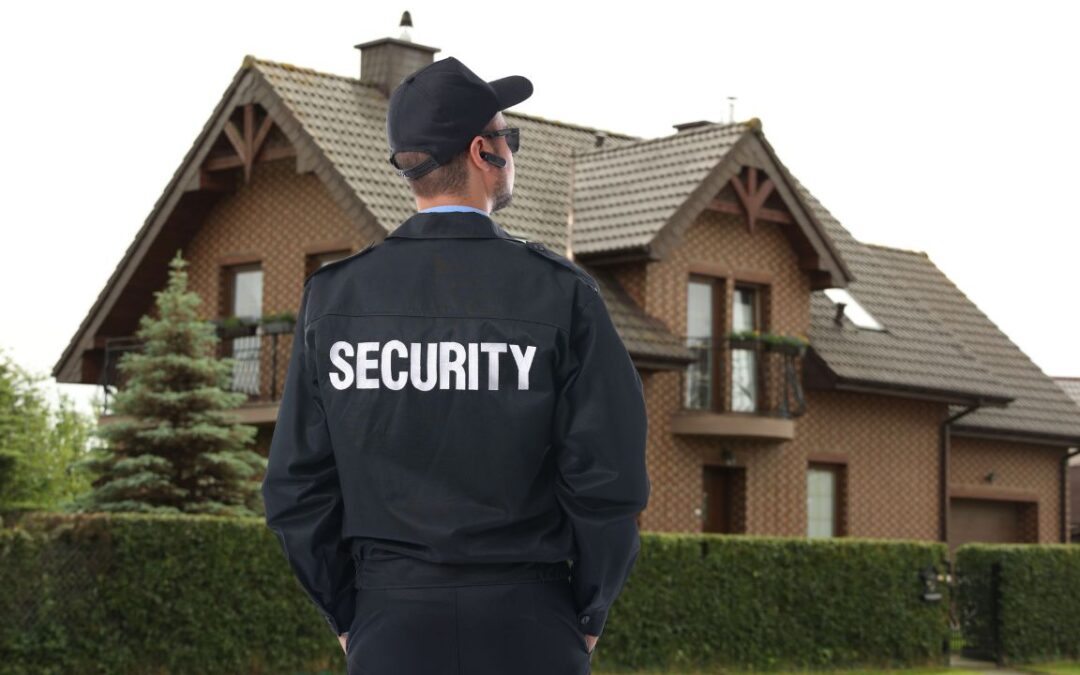
Estate security for high-net-worth families in Los Angeles extends far beyond gates, guards, and surveillance cameras. Modern protection integrates residential security with executive personal protection, digital monitoring, and lifestyle management, addressing threats spanning physical properties, online exposure, and public movements. Celebrity visibility and LA’s organized crime evolution demand comprehensive risk management that balances sophisticated measures with daily normalcy.
Why Visibility Changes Everything for Celebrity Security
Public recognition fundamentally transforms security requirements. The Bling Ring case demonstrated this evolution: burglars systematically targeted over 50 celebrity homes between October 2008 and August 2009, stealing approximately $3 million. They didn’t need reconnaissance; Google Maps and social media provided complete intelligence. Paris Hilton’s home was burglarized five times because perpetrators found keys under doormats and unlocked doors.
This visibility problem intensified. Recent LA celebrity home invasions (2024-2025) targeting Nicole Kidman, Keith Urban, and Brad Pitt involve organized criminal enterprises with international connections. The evolution from opportunistic teenagers to professional theft rings represents a critical shift: criminals now conduct sophisticated reconnaissance, coordinate multi-property operations, and exploit patterns in celebrity schedules rather than relying on luck.
High-Net-Worth Protection as Integrated Systems, Not Isolated Services
The fundamental shift in modern estate security centers on integration. Effective protection requires coordinating estate security, executive personal protection, travel security, and digital monitoring; not deploying them separately. Security failures typically occur at transition points where residential protection hands off to mobile teams.
Residential threats often originate outside property lines. Digital intelligence gathering, pattern analysis, and external surveillance develop threats before principals reach secure residences. A CEO targeted following a controversial event faced real-time social media threats; monitoring detected escalation and enabled protective measures before physical contact occurred. Coordination prevents gaps: estate guards communicate departure times to drivers, drivers alert residential teams to arrival schedules, and close protection agents brief perimeter security on external threat assessments.
Top Estate Security Trends for High-Net-Worth Families in 2025
Three trends distinguish effective programs from security theater. First, protection evolved into lifestyle services rather than crisis response. Modern programs embed security into daily routines, school runs, business travel, and social events through advanced work, low-profile personnel, and continuous threat monitoring. Teams manage digital footprints, vet service providers, and conduct surveillance detection as ongoing functions, anticipating risks before materialization.
Second, digital-physical threat convergence requires unified command structures. Cyber monitoring, GPS tracking, encrypted communication platforms, and biometric access control generate intelligence that residential security and close protection teams must share in real time. Services operating in silos miss threat patterns spanning digital harassment, physical surveillance, and property reconnaissance.
Third, low-profile protection models replace visible security presence. Effective protection becomes invisible; children attend school without obvious guards, and families dine publicly without perimeter details. This requires personnel who recognize threats without appearing vigilant and coordinate responses without visible communication.
Building Sustainable Protection: Vendor Selection and Program Evaluation
Sustainable estate security requires vendor relationships built on verified capability, not marketing claims. Critical selection criteria include appropriate state licensing (California requires BSIS licensing), ISO9001 certification, comprehensive liability insurance, and documented performance history with verifiable client references obtained only with explicit permission, never through unauthorized name-dropping.
Effectiveness measurement should evaluate threat detection before incidents occur: surveillance identification rates, digital threat monitoring responsiveness, and emergency response drill performance. Vendors demonstrating prevention capabilities matter more than those highlighting crisis management case studies. Annual investment ranges from $250K to $1.5M+ for comprehensive estate security costs delivering continuous value without disrupting family life.
Programs must balance protection with livability while maintaining legal compliance with privacy laws (COPPA for children under 13, CCPA requirements). Technical Surveillance Countermeasures (TSCM) programs require quarterly or biannual evaluations as threat conditions evolve.
Protect Your Family With Integrated Estate Security Solutions
World Protection Group, Inc. delivers comprehensive estate security and executive personal protection for high-net-worth families throughout Los Angeles. Our intelligence-driven programs integrate residential security, close protection, cyber monitoring, and travel coordination into unified protective systems tailored to your specific risk profile.
With expertise in celebrity security, luxury estate security design, and low-profile protection models, we address the complex threat landscape facing visible families and private wealth holders. Our licensed, vetted security professionals provide 24/7 coverage that maintains your lifestyle while ensuring safety.
Contact World Protection Group, Inc. for a confidential threat assessment and discover how modern security consulting creates sustainable protection without compromising daily normalcy.